The Post-Workout Breakfast Mistake Draining Your Afternoon Energy
Monday is glute day for me, which I don't mind. You get one of the hardest workouts of the week out of the way early. After my glute workout, I did ten minutes of incline walking, then walked myself home and ate a substantial breakfast.
Except what I ate looked a lot more like lunch than breakfast.
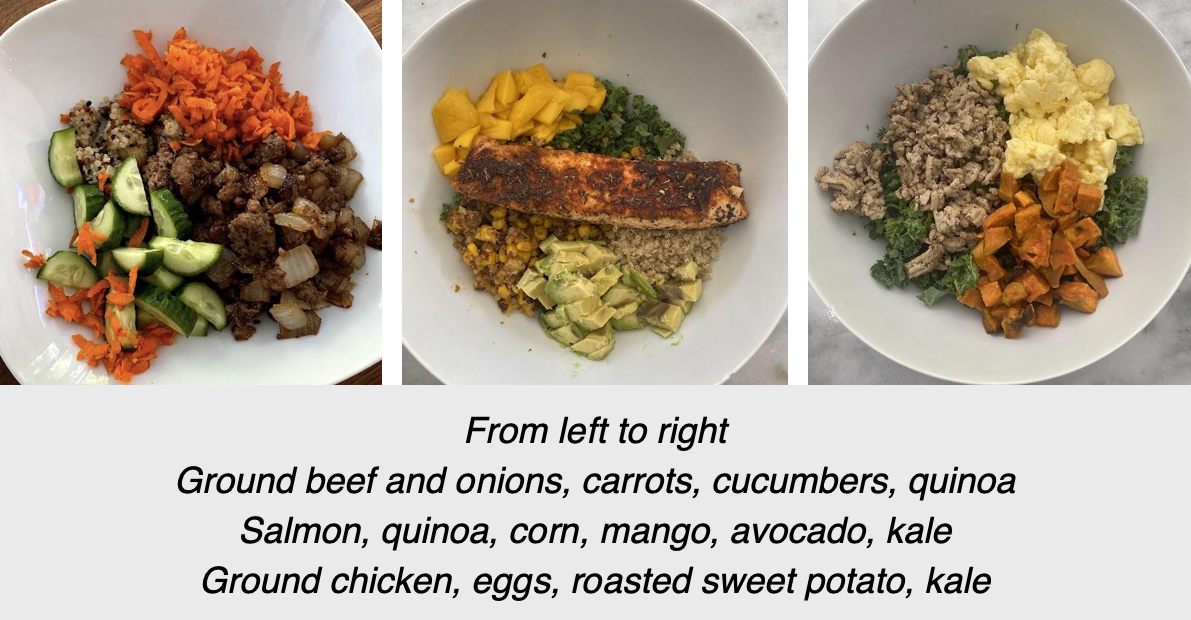
It's a bowl one of my coaching clients shared with our client community, and it's become one of my favorite post-workout meals. Who doesn't love eating out of a bowl instead of a plate?
I'll share the ingredients below. First, let's talk about why the meal matters more than most people think.
A Grown Woman Eats for Energy, Not a Calorie Deficit
Food is there to support what you're asking your body to do. It's not there to help you win an invisible prize for eating the smallest meal possible.
I want to explain why, because last week I coached two different clients on their post-workout meals. Both women had increased their strength training and walking. Both were also feeling tired in the afternoon, after feeling energized all morning.
That symptom got my attention. One of the first places I look when a client's energy shifts is what she's eating. So I went back to their food logs.
Both of them were eating yogurt with fruit and granola for breakfast, right after their workout.
Why a Yogurt Bowl Isn't Always Enough
Before you panic and think yogurt, granola, or fruit is somehow off the table now, that's not what I'm saying. There's nothing wrong with any of those foods. Some brands and varieties are better matches for your body than others, but that's a separate conversation.
The problem wasn't the food. It was the mismatch between the food and the demand these women had just placed on their bodies.
When you exercise, you use stored energy. When you strength train specifically, your muscles need protein and fuel afterward to repair and get stronger. And your body still has an entire day ahead of it after that workout.
A small yogurt bowl may not cover all of that.
The Dieter's Mindset Behind a Light Breakfast
Most of us were trained to believe breakfast should be small.
Small meal means I'm disciplined. Small meal means I'm going to lose weight. Small meal means I'm being good.
But if you trained hard at seven in the morning, eating as little as possible afterward may not make sense for what your body just did.
So what's the fix? Sometimes it's ridiculously simple.
Swap breakfast and lunch on your hardest workout days.
Eat the substantial meal after your workout. Save the lighter bowl for later in the day, if that's when it actually serves you. Breakfast does not have to look like breakfast.
What a Hearty Post-Workout Breakfast Actually Looks Like
Here are a few of my go-to post-workout bowls, for reference:
Ground beef and onions, carrots, cucumbers, and quinoa
Salmon, quinoa, corn, mango, avocado, and kale
Ground chicken, eggs, roasted sweet potato, and kale
I love yogurt, only Greek, and I eat it often. Just usually in the evening, as dinner. Some days I don't need a large amount of fuel at the end of the day, so a yogurt bowl with a chopped-up mini Perfect Bar, chia seeds, cacao nibs, and a drizzle of honey is plenty.
Not because dinner is supposed to be small. Because it matches what I actually need at that point in my day.
That's the whole principle: fuel the part of your day that requires the most from you. It's a far more useful standard than another rule about what breakfast or dinner is supposed to look like.
Tools Support the Plan. They Don't Replace It.
When I work with clients, we don't jump straight to supplements, peptides, or the newest wellness trend the moment someone says she's tired at three in the afternoon. We connect the dots.
With one client, we looked at her nutrition, lifestyle, sleep, and hormones together, and started making changes across all of it. Some of those changes take time. While she waits for her hormones to shift, she still has a job to do, a family to take care of, and a life to live. Afternoon fatigue that bad isn't something a grown woman should have to just push through while everything else catches up.
So when she was interested in additional support for her energy, we talked about NAD+. NAD+ is a molecule your body naturally makes and uses for cellular energy production, metabolism, and repair. It's also become a popular tool in the longevity and wellness world for additional energy and recovery support. She's able to access it through my telehealth partner with clinical oversight, while we kept working the bigger picture together.
That's what this looks like when it's done right. We aren't waiting three months and then trying the next thing off a list. We're looking at the whole picture and deciding what makes sense now, what needs more time, and where another tool might genuinely help in the meantime. That's very different from buying something off the internet because someone on Instagram said it made her feel twenty-five again.
Sometimes your afternoon slump needs a bigger breakfast. Sometimes your hormones need more time. And sometimes another tool can help while you work on the bigger picture. All three can be true at once.
Let's Connect the Dots
This is the kind of work I do with clients inside my private coaching. We look at hormones, nutrition, and lifestyle together, so you're not guessing at what your body needs or chasing whatever you saw online this week.
If you've been doing a lot of things "right" and still feel like something isn't adding up, a consultation is the place to start. We'll look at the whole picture together.
Jennifer Dent Brown is the founder of Luxe Life Coaching and the creator of Stop. Dieting. Forever.™ She helps women in midlife stop dieting and start losing weight. Her work connects the dots between hormones, metabolism, labs, and identity.
This article is for informational purposes only and is not intended to diagnose, treat, cure, or prevent any medical condition. Always consult with your healthcare provider before starting any new supplement, health program, or lifestyle change.
A Grown Woman eats for energy, not for a calorie deficit.
From the Podcast
Schedule a Weight Loss Consultation with Jennifer
Follow me on Instagram: @JenniferDentBrown
Get The Grown Woman Standard: Sign up for my weekly emails